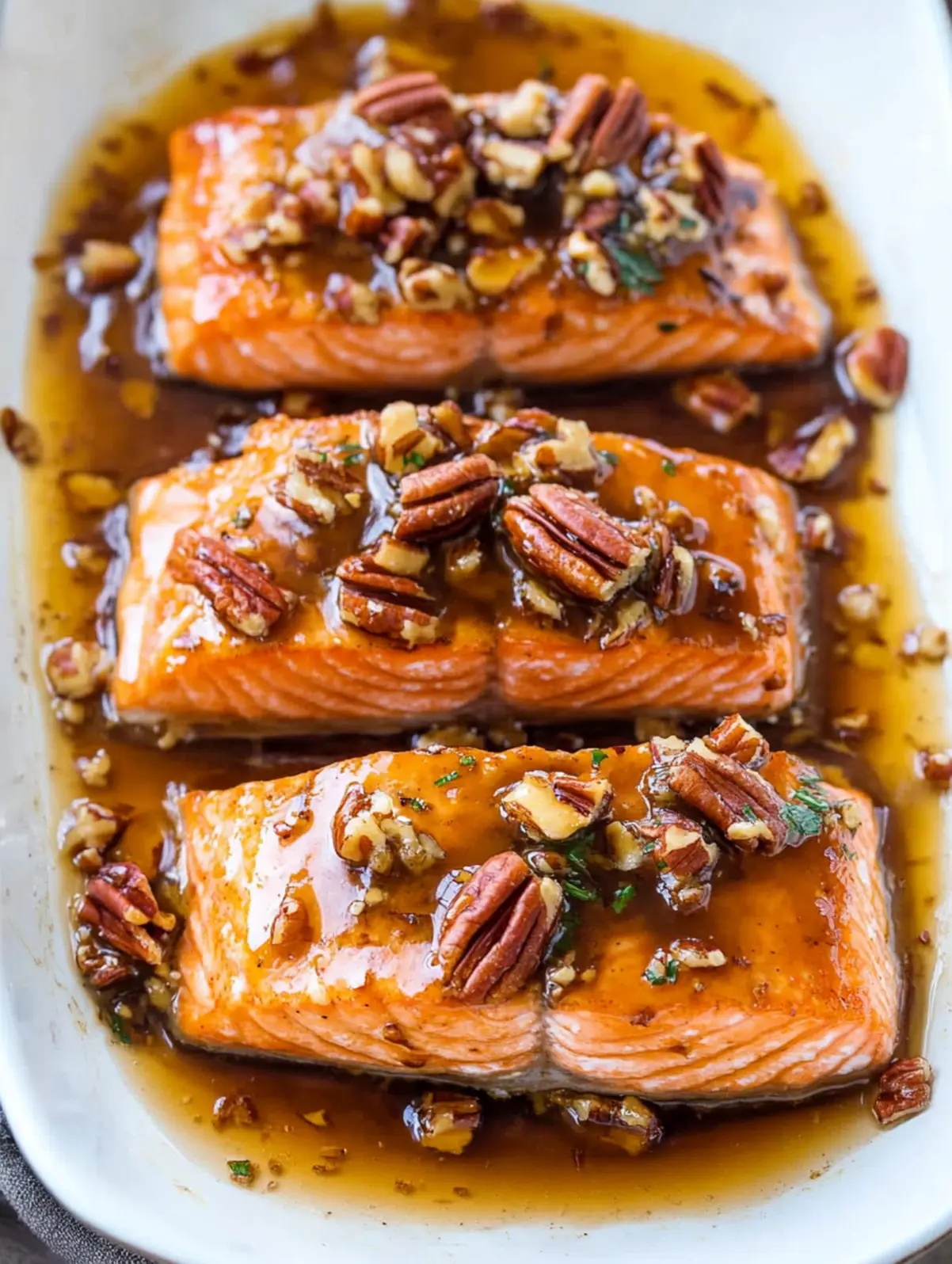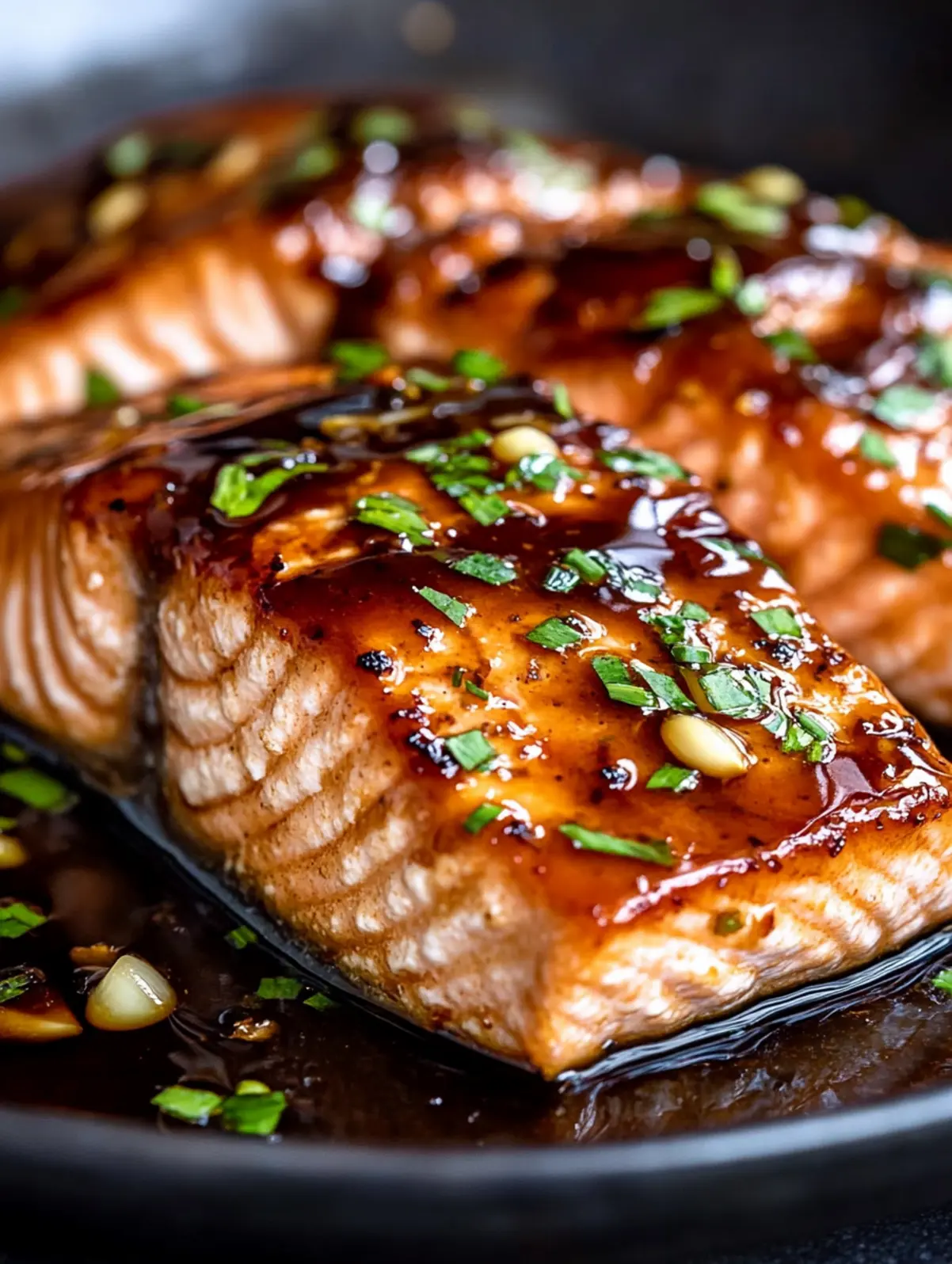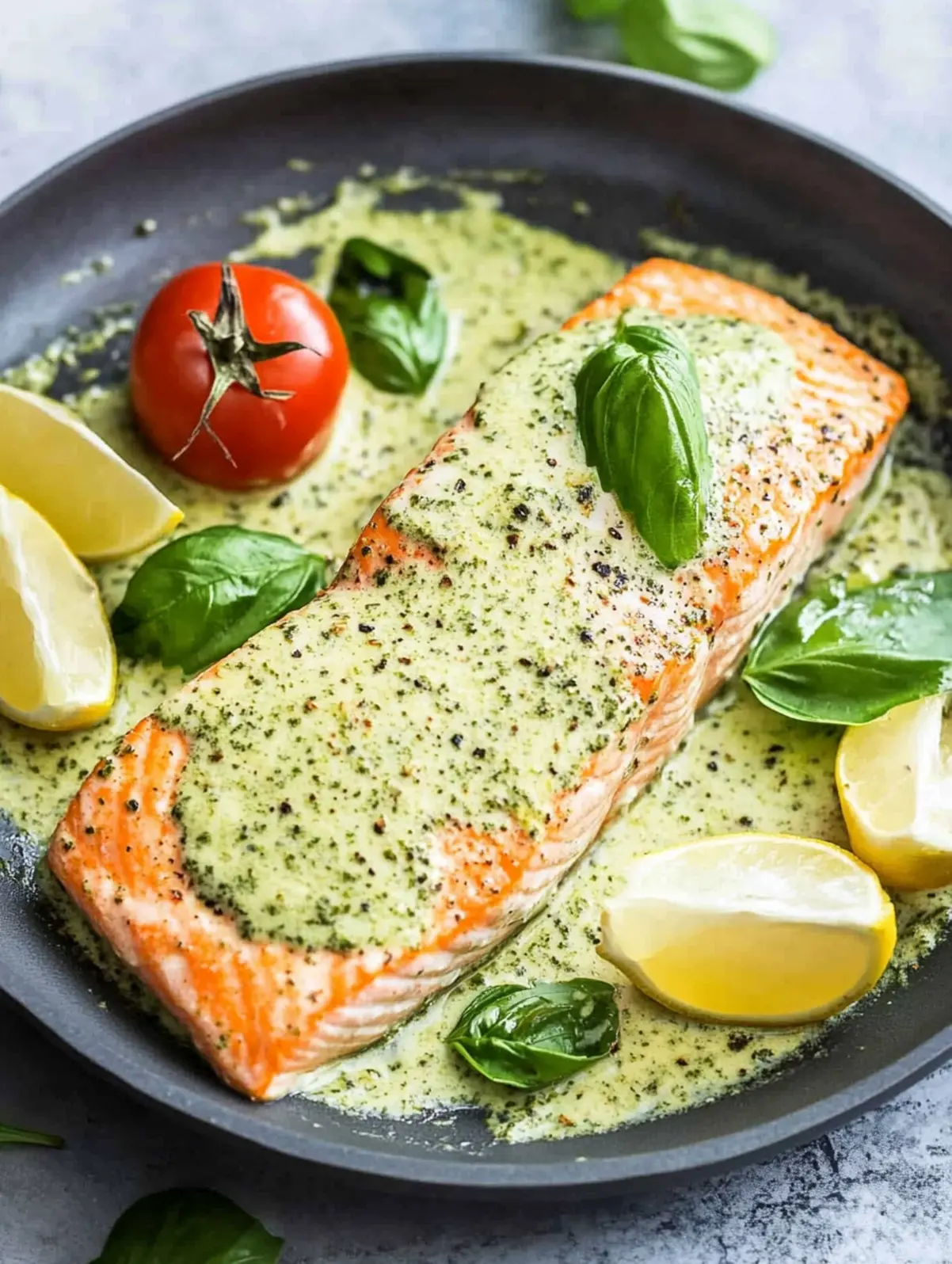


I’ve discovered that there’s nothing quite like a bowl of homemade beef stew to warm both body and soul. The rich, savory aroma that fills my kitchen as it simmers brings back memories of Sunday family dinners at my grandmother’s house. That first spoonful—tender chunks of beef that practically melt in your mouth, swimming in a velvety broth alongside perfectly cooked vegetables—it’s like a warm hug that’s both rewarding and refreshing. Have you ever craved something that feels like comfort and celebration all at once? This beef stew has become my go-to when I want to transform simple ingredients into something truly special, whether I’m hosting friends for dinner or simply treating myself to a well-deserved weeknight indulgence.

Why You’ll Love This Beef Stew
The magic of this beef stew:
- Balance of simplicity and depth
- Slow-cooking transforms tough chuck beef into buttery-soft morsels
- Creates a sauce rich with complexity
- Combination of red wine and beef broth creates a foundation of flavor
- Rewards patience—flavors meld together over time
- Foolproof method for novice and experienced cooks alike
- Results in a dish that looks and tastes amazing

Ingredients for This Beef Stew
- Chuck Beef: The foundation of any great stew. I always choose chuck for its perfect marbling that breaks down during slow cooking, resulting in meat that’s fork-tender and full of flavor.
- Salt and Pepper: These humble ingredients are the backbone of seasoning. I use them generously to enhance the beef’s natural flavors and create depth throughout the dish.
- Olive Oil: I select a good quality olive oil that can withstand high heat. It creates that perfect initial sear on the beef that locks in moisture and develops those delicious brown bits on the pan.
- Onion: The aromatic base that provides sweetness and depth. When caramelized properly, it practically melts into the sauce, infusing every spoonful with its subtle complexity.
- Garlic: I’ve found that fresh minced garlic adds an irreplaceable aromatic quality. Its pungency softens during cooking, transforming into a gentle but essential background note.
- Carrots: These add natural sweetness and a pop of color. I cut them on the diagonal not just for presentation, but because this technique helps them cook evenly while maintaining some texture.
- Celery: The often-underappreciated aromatic that contributes a subtle earthiness. I’ve discovered it adds a crucial layer to the flavor foundation without overwhelming the other ingredients.
- Flour: My secret weapon for a perfectly thickened broth. It creates that silky, coat-the-back-of-a-spoon consistency that makes each bite so satisfying.
- Beef Broth: The liquid foundation of our stew. I always opt for low-sodium to control the saltiness, allowing me to build flavor more precisely throughout the cooking process.
- Red Wine: This ingredient elevates a good stew to an unforgettable one. I prefer a bold, dry wine like Cabernet Sauvignon that brings acidity and complexity, balancing the richness of the beef.
- Worcestershire Sauce: Just a couple of teaspoons work magic! I’ve found it adds an umami depth that’s difficult to achieve with other ingredients—it’s my secret flavor enhancer.
- Tomato Paste: Concentrated flavor in a small package. It provides both acidity and sweetness while helping to thicken the sauce and adding that beautiful rusty hue to the broth.
- Bay Leaves and Thyme: These aromatic herbs infuse the stew with subtle complexity. I love how they perfume the dish without overpowering it, creating layers of flavor that develop during cooking.
- Baby Potatoes: I adore how these little gems hold their shape while becoming creamy inside. Their thin skins mean no peeling required, saving time without sacrificing texture or taste.
How to Make This Beef Stew

- Prepare the Beef: I always start by patting the beef cubes dry with paper towels—this is crucial for achieving that perfect sear. Season generously with salt and pepper, coating all sides evenly.
- Sear the Meat: Heat 2 tablespoons of olive oil in a large Dutch oven over medium-high heat until it’s shimmering but not smoking. Working in small batches (never overcrowd!), I add the beef cubes, leaving space between each piece. Sear until they develop a rich, brown crust on all sides—about 3-4 minutes per batch. The caramelization happening here is the foundation of incredible flavor! Transfer each batch to a plate and set aside.
- Build the Flavor Base: In the same pot, add the remaining tablespoon of oil and reduce heat to medium. Add the sliced onions and sauté until they begin to soften and turn translucent, about 3 minutes. The onions will start to pick up those delicious browned bits from the bottom of the pot. Next, add the garlic and cook just until fragrant, about 30 seconds—any longer and it might burn and turn bitter.
- Add the Vegetables: Now I add the carrots and celery, cooking for about 3-4 minutes until they begin to soften slightly. The vegetables will continue cooking in the stew, so this initial sauté is just to kickstart their flavor development.
- Create the Thickener: Sprinkle the flour over the vegetables and stir continuously for about 2 minutes. This step cooks out the raw flour taste and creates the base for a silky sauce. The mixture will look paste-like and coat the vegetables—that’s exactly what we want!
- Deglaze the Pot: Here comes my favorite part! Slowly pour in the red wine while scraping the bottom of the pot with a wooden spoon. Those browned bits (called fond) dissolving into the wine is pure flavor magic happening before your eyes. Let it simmer for about 2-3 minutes, allowing the alcohol to cook off and the wine to reduce slightly.
- Build the Stew: Add the beef broth, Worcestershire sauce, and tomato paste, stirring until well combined. Return the seared beef (and any accumulated juices—don’t waste that flavor!) to the pot. Tuck in the bay leaves and thyme sprigs so they’re submerged in the liquid.
- Simmer to Perfection: Bring the stew to a gentle boil, then reduce the heat to maintain a low simmer. Cover partially with a lid and let it cook for about 1.5 hours, stirring occasionally. The meat will begin to become tender as it slowly braises in the flavorful liquid.
- Add the Potatoes: After the initial cooking period, add the halved baby potatoes to the pot, stirring gently to submerge them in the liquid. Continue simmering for another 30-40 minutes until both the beef and potatoes are fork-tender. The stew will have thickened beautifully by this point.
- Final Seasoning: Before serving, I always remove the bay leaves and thyme sprigs. Taste and adjust the seasoning with additional salt and pepper as needed. The flavor should be rich, balanced, and deeply satisfying.
Expert Cooking Tips
- Patience is key when searing meat. Work in small batches for best flavor.
- Deglaze the pot thoroughly to capture all the concentrated flavors.
- Choose chuck beef with generous marbling for moist, rich results.
- Cook flour with vegetables to eliminate raw taste and create silky texture.
- Allow the stew to rest, preferably overnight, for improved flavor.
Proper Storage
Storage and Reheating Instructions:
- Store leftover stew in an airtight container in the refrigerator for up to 3 days.
- Flavors improve overnight as they continue to meld together.
- For freezing:
- Cool stew completely
- Transfer to freezer-safe containers, leaving a half-inch of space for expansion
- Keeps for up to 3 months
- When reheating:
- Heat gently on stovetop over medium-low heat
- Add a splash of broth if needed to restore consistency
- For meal prep:
- Portion individual servings in freezer containers for quick future meals
- Note: Potatoes may become slightly grainy when frozen and reheated
- Consider adding freshly cooked potatoes when reheating frozen stew
Variations and Substitutions
- Wine-Free Version: I sometimes substitute additional beef broth plus 1 tablespoon of balsamic vinegar for depth when I need to skip the wine. You’ll still get wonderful complexity without the alcohol.
- Herb Variations: When thyme isn’t on hand, I’ve successfully used rosemary or oregano instead. Each brings its own character to the dish while maintaining that essential herbal note.
- Root Vegetable Medley: For a change of pace, I occasionally swap in parsnips, turnips, or sweet potatoes for some of the carrots and regular potatoes. The natural sweetness creates a lovely counterpoint to the savory beef.
- Mushroom Enhancement: Adding 8 ounces of quartered cremini mushrooms with the onions creates an earthy dimension that pairs beautifully with the beef. I’ve found this variation particularly satisfying during fall and winter months.
- Gluten-Free Adaptation: When cooking for gluten-sensitive guests, I substitute the flour with 2 tablespoons of cornstarch mixed with cold water, added during the last 30 minutes of cooking. The stew thickens beautifully without any wheat products.

What Goes with This Beef Stew
- Crusty Sourdough Bread: I love serving warm, crusty bread alongside stew. It’s perfect for sopping up every last drop of that rich sauce—too delicious to leave behind!
- Simple Green Salad: The crisp freshness of a lightly dressed arugula salad provides the perfect contrast to the stew’s richness, cleansing the palate between hearty bites.
- Creamy Mashed Potatoes: When I’m feeling particularly indulgent, I serve the stew over velvety mashed potatoes. The sauce mingles with the potatoes, creating spoon-licking deliciousness.
- Buttered Egg Noodles: Wide egg noodles tossed with a bit of butter and parsley make a fabulous base for the stew. Their subtle flavor supports without competing with the complex sauce.
- Roasted Garlic Polenta: The subtle sweetness of roasted garlic polenta complements the savory notes in the stew while adding an interesting textural element to the meal.
FAQ
Can I make beef stew in a slow cooker?
Absolutely! Sear the meat and sauté the vegetables as directed, then transfer everything to a slow cooker. Cook on low for 7-8 hours or high for 4-5 hours.
Why is my stew meat tough?
Likely it needs more cooking time. The collagen in chuck beef needs low, slow heat to break down properly into gelatin, which creates that melt-in-your-mouth texture.
Can I make this stew ahead of time?
I actually recommend it! The flavors develop beautifully overnight. Reheat gently on the stovetop, adding a splash of broth if needed.
Is beef stew healthy?
It’s nutrient-dense with protein, vegetables, and minimal added fats. The cooking method allows you to skim excess fat before serving if desired.
Do I have to use red wine?
No, substitute with additional beef broth and a tablespoon of balsamic vinegar to achieve depth of flavor without alcohol.
Beef Stew

My hearty beef stew transforms simple ingredients into a rich, comforting meal that’s perfect for any season. Learn my secrets for tender meat and a flavor-packed sauce!
- Prep Time: 30 minutes
- Cook Time: 2 hours 30 minutes
- Total Time: 3 hours
- Yield: 6 servings
Ingredients
- 1.2 kg chuck beef, cut into 3.5 cm cubes
- 1 tsp each salt and pepper
- 3 tbsp olive oil, divided
- 1 large onion, halved then sliced
- 4 garlic cloves, minced
- 3 carrots, cut diagonally into 2.5cm pieces
- 2 celery stalks, cut into 2.5 cm pieces
- 1/3 cup flour
- 3 cups beef broth, low sodium
- 2 cups dry red wine (Cabernet Sauvignon, Burgundy, Merlot)
- 2 tsp Worcestershire Sauce
- 2 tbsp tomato paste
- 2 bay leaves
- 4 sprigs thyme
- 400 g baby potatoes, halved
- Salt and pepper to taste
Instructions
- Pat beef dry, season with salt and pepper.
- In batches, sear beef in 2 tbsp hot oil until browned. Set aside.
- Add remaining oil, sauté onions until translucent (3 minutes).
- Add garlic (30 seconds), then carrots and celery (3-4 minutes).
- Sprinkle with flour, cook 2 minutes, stirring constantly.
- Deglaze with wine, scraping up browned bits. Simmer 2-3 minutes.
- Add broth, Worcestershire, tomato paste, and return beef to pot.
- Add bay leaves and thyme. Bring to boil, reduce to simmer.
- Cover partially, simmer 1.5 hours, stirring occasionally.
- Add potatoes, continue simmering 30-40 minutes until everything is tender.
- Remove bay leaves and thyme. Season to taste.
- Let stand 10 minutes before serving.