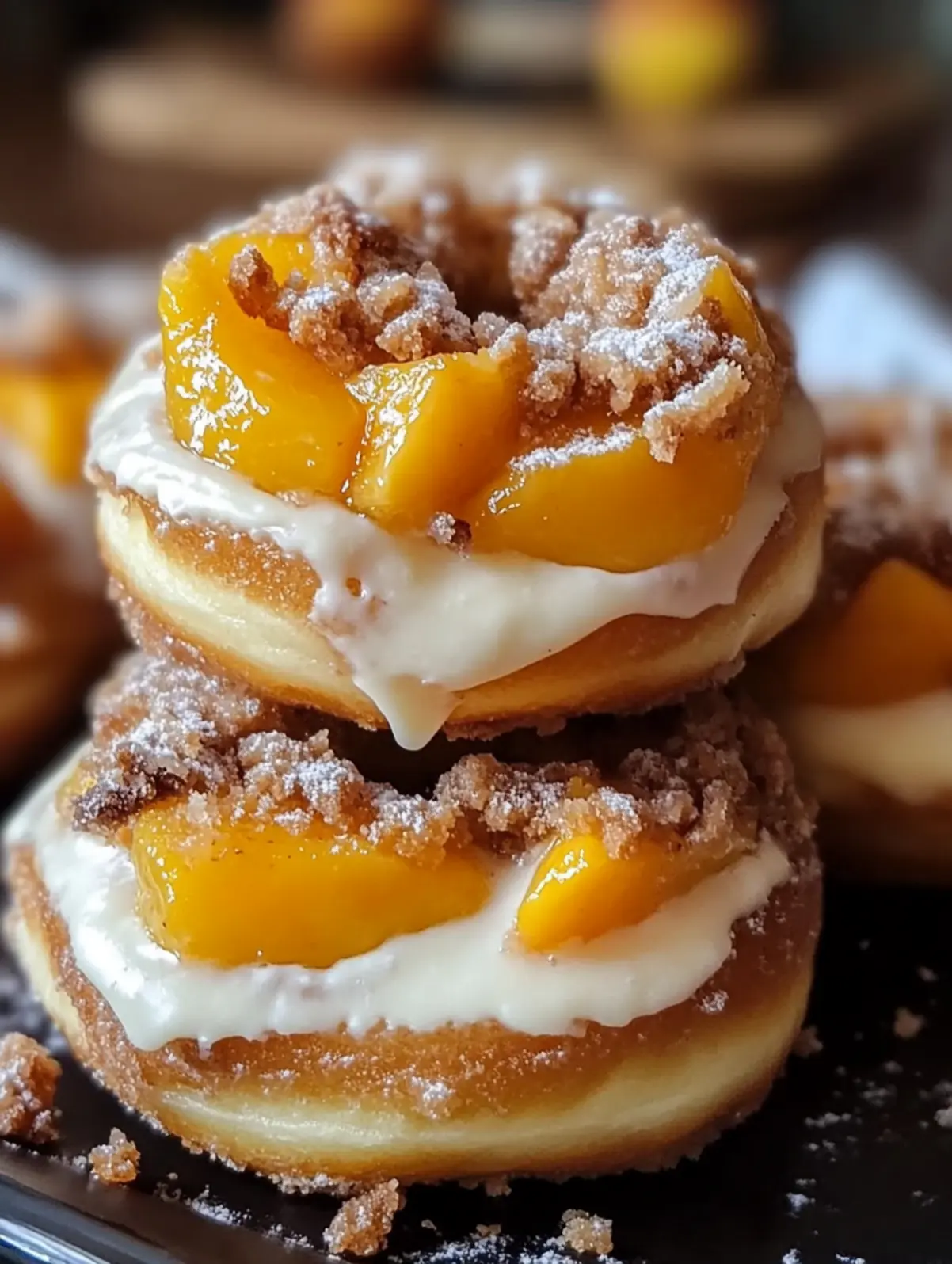


These homemade buttermilk beignets deliver an irresistible combination of crispy exteriors and cloud-like centers that practically melt in your mouth. Deep-fried to golden perfection and generously showered with powdered sugar, they capture the essence of New Orleans’ beloved treat with surprisingly little effort. The buttermilk in the dough creates an exceptional tenderness while adding a subtle tang that balances the sweetness. Serve these pillowy squares of heaven alongside a strong cup of coffee or a rich chocolate dipping sauce for an indulgent breakfast or afternoon treat.
Why You’ll Love This Recipe
These buttermilk beignets bring café-quality indulgence right to your kitchen with surprisingly little fuss. Here’s why they’re worth every minute:
- Pillowy Soft Texture: The combination of buttermilk and proper frying temperature creates that signature cloud-like interior that practically dissolves on your tongue.
- No Special Equipment Needed: Unlike many pastry recipes, these beignets require no stand mixer, bread machine, or specialized tools—just basic kitchen implements you already own.
- Perfect Make-Ahead Option: The dough can be prepared the night before and refrigerated, making these ideal for stress-free weekend brunches or holiday morning treats.
- Fool-Proof Technique: The straight-forward dough handles beautifully even for beginners, with visual cues that clearly indicate when they’ve reached golden-brown perfection.
- Customization Potential: While traditional powdered sugar topping is divine, these versatile treats can be paired with chocolate sauce, fruit compotes, or even filled with jam for endless variations.
Ingredient Breakdown with Tips
The secret to truly exceptional buttermilk beignets lies in understanding the role each ingredient plays in creating that perfect balance of crispy exterior and fluffy interior. Here’s what makes these Fluffy Buttermilk Beignets so irresistible:
- All-purpose flour: The foundation of your beignets, providing structure and body. For the lightest texture, measure by spooning flour into measuring cups rather than scooping directly from the bag, which can compact it.
- Granulated sugar: Beyond sweetening, sugar helps create that beautiful golden-brown exterior when frying. Standard white granulated sugar works perfectly, but superfine sugar will dissolve more readily in the dough.
- Baking powder: The primary leavening agent that creates those airy pockets inside your beignets. Always check that it’s fresh and active—older baking powder can result in dense, heavy pastries.
- Baking soda: Works with the acidic buttermilk to produce additional lift and tenderness. The combination of both leaveners ensures perfectly fluffy beignets with ideal rise.
- Salt: Essential for balancing sweetness and enhancing all other flavors. Even in sweet recipes, salt plays a crucial role in developing depth of flavor.
- Ground nutmeg: Adds a subtle warm spice note that complements the fried dough perfectly. Freshly grated nutmeg provides the most aromatic results, but pre-ground works well too.
- Buttermilk: The star ingredient that creates exceptional tenderness and adds a slight tang. If unavailable, substitute by adding 1½ teaspoons of lemon juice to regular milk and letting it sit for 10 minutes.
- Eggs: Bind the dough while adding richness and helping the beignets achieve that perfect golden color. Room temperature eggs incorporate more smoothly into the batter.
- Vanilla extract: Enhances the overall flavor profile with warm, aromatic notes. Pure vanilla extract offers superior flavor to artificial alternatives.
- Unsalted butter, melted: Adds richness and helps create that melt-in-your-mouth interior. Allow melted butter to cool slightly before adding to prevent cooking the eggs in the mixture.
- Vegetable oil, for frying: Choose a neutral oil with a high smoke point like canola, peanut, or refined vegetable oil. The ideal frying temperature (350-360°F) is crucial for perfectly cooked beignets that aren’t greasy.
- Powdered sugar, for dusting: The traditional finishing touch that makes beignets instantly recognizable. Be generous—authentic beignets should be lavishly coated, not just lightly dusted.
Step-by-Step Instructions
- Whisk together the dry ingredients (flour, sugar, baking powder, baking soda, salt, and nutmeg) in a large bowl until well combined and no lumps remain.
- In a separate bowl, combine the buttermilk, eggs, vanilla extract, and melted butter, stirring until smooth and fully incorporated.
- Pour the wet ingredients into the dry ingredients and mix gently until just combined. The dough will be slightly sticky—I find it’s best not to overmix here to keep the beignets tender.
- Heat vegetable oil in a deep, heavy-bottomed pot to 350°F. Use a candy thermometer to maintain this temperature, as it’s crucial for achieving that perfect golden exterior while ensuring the centers cook through.
- While the oil heats, turn the dough onto a well-floured surface and roll it out to about ½-inch thickness. Cut into 2-inch squares using a sharp knife or pizza cutter.
- Carefully lower 3-4 squares into the hot oil, being careful not to overcrowd the pot. Fry for about 2-3 minutes, flipping halfway through, until they’re puffed and golden brown on both sides.
- Remove the beignets with a slotted spoon and transfer to a paper towel-lined plate to drain excess oil for about 30 seconds. While still hot, generously dust with powdered sugar—authentic beignets should be practically buried in sugar!
- Serve immediately while still warm. These are at their absolute best fresh from the fryer when the contrast between the crisp exterior and fluffy interior is most pronounced.
Serving Suggestions
These Fluffy Buttermilk Beignets deserve to be presented with as much care as you put into making them. A few thoughtful pairings can transform these delightful treats from a simple indulgence to a memorable experience.
For the classic New Orleans experience, serve your beignets on a plate completely covered with powdered sugar alongside a strong café au lait or chicory coffee. The bitterness of the coffee perfectly balances the sweetness of these pillowy delights. I love to serve mine in a shallow bowl with extra powdered sugar on the side for additional dipping—there’s something wonderfully nostalgic about getting powdered sugar everywhere!
For a more decadent presentation, arrange warm beignets on a serving platter with small bowls of chocolate ganache, raspberry coulis, or dulce de leche for dipping. The nutmeg in the beignets pairs beautifully with these sweet accompaniments, especially the chocolate. For brunch gatherings, I’ve found that setting up a “beignet bar” with various dipping options is always a crowd-pleaser.
Beyond breakfast, these buttermilk beignets make a surprising dessert option when served with a scoop of vanilla ice cream and a drizzle of caramel sauce. The contrast between the warm, fluffy beignet and cold ice cream creates an irresistible temperature play that elevates this humble pastry to restaurant-quality status.
Make Ahead Tips for Fluffy Buttermilk Beignets
These Fluffy Buttermilk Beignets are perfect for meal prep enthusiasts who want fresh-fried pastries without the morning rush! You can prepare the dough up to 24 hours in advance by mixing all ingredients as directed, then wrapping tightly in plastic wrap and refrigerating (the slight fermentation actually enhances flavor). The cut squares can also be prepared ahead—arrange them on a parchment-lined tray, cover with plastic wrap, and refrigerate for up to 12 hours before frying. When ready to serve, simply bring the oil to 350°F and fry as usual, adding an extra 30 seconds to cooking time if frying straight from the refrigerator. You’ll have restaurant-quality beignets with minimal morning effort!
Variations & Substitutions
While these classic buttermilk beignets are divine as-is, don’t be afraid to make them your own based on what you have on hand or your personal preferences. Here are some delicious ways to customize:
Dairy-free option: Replace buttermilk with a non-dairy alternative by adding 1½ teaspoons of lemon juice or vinegar to almond milk or oat milk and letting it sit for 10 minutes. For the butter, use coconut oil or a plant-based butter substitute.
No buttermilk on hand? Create a quick substitute by adding 1½ teaspoons of white vinegar or lemon juice to regular milk and allowing it to sit for 10 minutes until slightly thickened. I’ve used this trick countless times when I’m craving beignets but don’t have buttermilk in the fridge!
Flavor infusions: Enhance the dough with 1 teaspoon of orange or lemon zest, ¼ teaspoon of almond extract, or ½ teaspoon of cinnamon for a different flavor profile. The citrus zest pairs beautifully with the traditional powdered sugar coating.
Chocolate lovers’ twist: Add ¼ cup of cocoa powder to the dry ingredients and increase the sugar by 2 tablespoons for chocolate beignets. Dust with a mixture of powdered sugar and cocoa for a mocha finish.
Whole wheat option: Replace up to half of the all-purpose flour with whole wheat pastry flour for a slightly nuttier flavor and added nutrition. The beignets will be slightly less fluffy but still delicious.
Creative toppings: While powdered sugar is traditional, try drizzling with honey, maple syrup, or chocolate sauce for a decadent variation. Even a light sprinkle of cinnamon-sugar creates a wonderful twist on the classic.
Storage & Freezing
While beignets are unquestionably at their prime when fresh from the fryer, you can still enjoy these buttermilk delights later with proper storage. Here’s how to keep your homemade beignets as delicious as possible:
Short-term storage: Store completely cooled beignets in an airtight container at room temperature for up to 2 days. Place paper towels between layers to absorb any excess moisture and prevent sogginess. I recommend waiting to dust with powdered sugar until right before serving if you’re planning to store them.
Freezing uncooked dough: For make-ahead convenience, freeze cut dough squares on a parchment-lined baking sheet until solid, then transfer to a freezer bag. They’ll keep for up to 1 month. When ready to enjoy, fry directly from frozen, adding about 1 minute to the cooking time. This is my preferred method, as it allows you to enjoy freshly fried beignets anytime.
Freezing cooked beignets: If you must freeze leftover cooked beignets, place them in a single layer in a freezer-safe container with parchment between layers for up to 2 weeks. Reheat in a 350°F oven for 3-5 minutes until warmed through, then dust with fresh powdered sugar. The texture won’t match fresh-fried, but they’ll still satisfy your buttermilk beignet craving in a pinch.
Reviving day-old beignets: To restore some of their former glory, warm refrigerated beignets in a 300°F oven for 5 minutes. They’ll never be quite as magical as fresh, but a quick reheat and fresh dusting of powdered sugar works wonders.
Expert Tips
After years of perfecting these Fluffy Buttermilk Beignets, I’ve discovered some game-changing techniques:
- Temperature matters: Keep your oil steady at 350°F—too hot and beignets brown before cooking inside; too cool and they absorb oil, becoming greasy and dense.
- Rest the dough: Allow your mixed dough to rest for 10 minutes before rolling. This relaxes the gluten, making your buttermilk beignets exceptionally tender.
- Work with cold dough: If your kitchen is warm, chill the dough for 30 minutes before rolling. Cold dough is easier to handle and creates fluffier layers.
- Oil temperature recovery: After adding beignets to hot oil, give the temperature time to recover before adding the next batch. This ensures consistent golden exteriors.
- Double-duty nutmeg: The nutmeg in this recipe isn’t just for flavor—it actually helps cut the richness of the fried dough, creating a more balanced treat.
- Sugar immediately: Dust powdered sugar while beignets are still hot—the slight moisture helps the sugar adhere perfectly to create that classic presentation.
Frequently Asked Questions
Can I make the beignet dough ahead of time?
Yes, refrigerate overnight for morning frying.
What’s a substitute for buttermilk?
Mix milk with 1½ teaspoons lemon juice.
Why are my buttermilk beignets dense?
You likely overmixed the dough.
Can I bake instead of fry these beignets?
No, frying is essential for authentic texture.
How do I know my oil is the right temperature?
Use a thermometer or test with a small dough piece.
Can I freeze leftover buttermilk beignets?
Freeze uncooked dough squares instead for best results.
Irresistibly Fluffy Buttermilk Beignets: A Homemade Delight

These homemade buttermilk beignets deliver an irresistible combination of crispy exteriors and cloud-like centers that practically melt in your mouth.
- Prep Time: 20 minutes
- Cook Time: 10 minutes
- Total Time: 30 minutes
- Yield: 24 beignets
- Category: Breakfast
- Method: Frying
- Cuisine: American
Ingredients
- 2 cups all-purpose flour
- ½ cup granulated sugar
- 1 tablespoon baking powder
- ½ teaspoon baking soda
- ½ teaspoon salt
- ½ teaspoon ground nutmeg
- ½ cup buttermilk
- 2 large eggs
- 1 teaspoon vanilla extract
- ¼ cup unsalted butter, melted
- Vegetable oil, for frying
- Powdered sugar, for dusting
Instructions
- Whisk together the dry ingredients (flour, sugar, baking powder, baking soda, salt, and nutmeg) in a large bowl until well combined and no lumps remain.
- In a separate bowl, combine the buttermilk, eggs, vanilla extract, and melted butter, stirring until smooth and fully incorporated.
- Pour the wet ingredients into the dry ingredients and mix gently until just combined. The dough will be slightly sticky—I find it’s best not to overmix here to keep the beignets tender.
- Heat vegetable oil in a deep, heavy-bottomed pot to 350°F. Use a candy thermometer to maintain this temperature, as it’s crucial for achieving that perfect golden exterior while ensuring the centers cook through.
- While the oil heats, turn the dough onto a well-floured surface and roll it out to about ½-inch thickness. Cut into 2-inch squares using a sharp knife or pizza cutter.
- Carefully lower 3-4 squares into the hot oil, being careful not to overcrowd the pot. Fry for about 2-3 minutes, flipping halfway through, until they’re puffed and golden brown on both sides.
- Remove the beignets with a slotted spoon and transfer to a paper towel-lined plate to drain excess oil for about 30 seconds. While still hot, generously dust with powdered sugar—authentic beignets should be practically buried in sugar!
- Serve immediately while still warm. These are at their absolute best fresh from the fryer when the contrast between the crisp exterior and fluffy interior is most pronounced.
Notes
- Temperature matters: Keep your oil steady at 350°F—too hot and beignets brown before cooking inside; too cool and they absorb oil, becoming greasy and dense.
- Rest the dough: Allow your mixed dough to rest for 10 minutes before rolling. This relaxes the gluten, making your buttermilk beignets exceptionally tender.
- Work with cold dough: If your kitchen is warm, chill the dough for 30 minutes before rolling. Cold dough is easier to handle and creates fluffier layers.
- Oil temperature recovery: After adding beignets to hot oil, give the temperature time to recover before adding the next batch. This ensures consistent golden exteriors.
- Double-duty nutmeg: The nutmeg in this recipe isn’t just for flavor—it actually helps cut the richness of the fried dough, creating a more balanced treat.
- Sugar immediately: Dust powdered sugar while beignets are still hot—the slight moisture helps the sugar adhere perfectly to create that classic presentation.