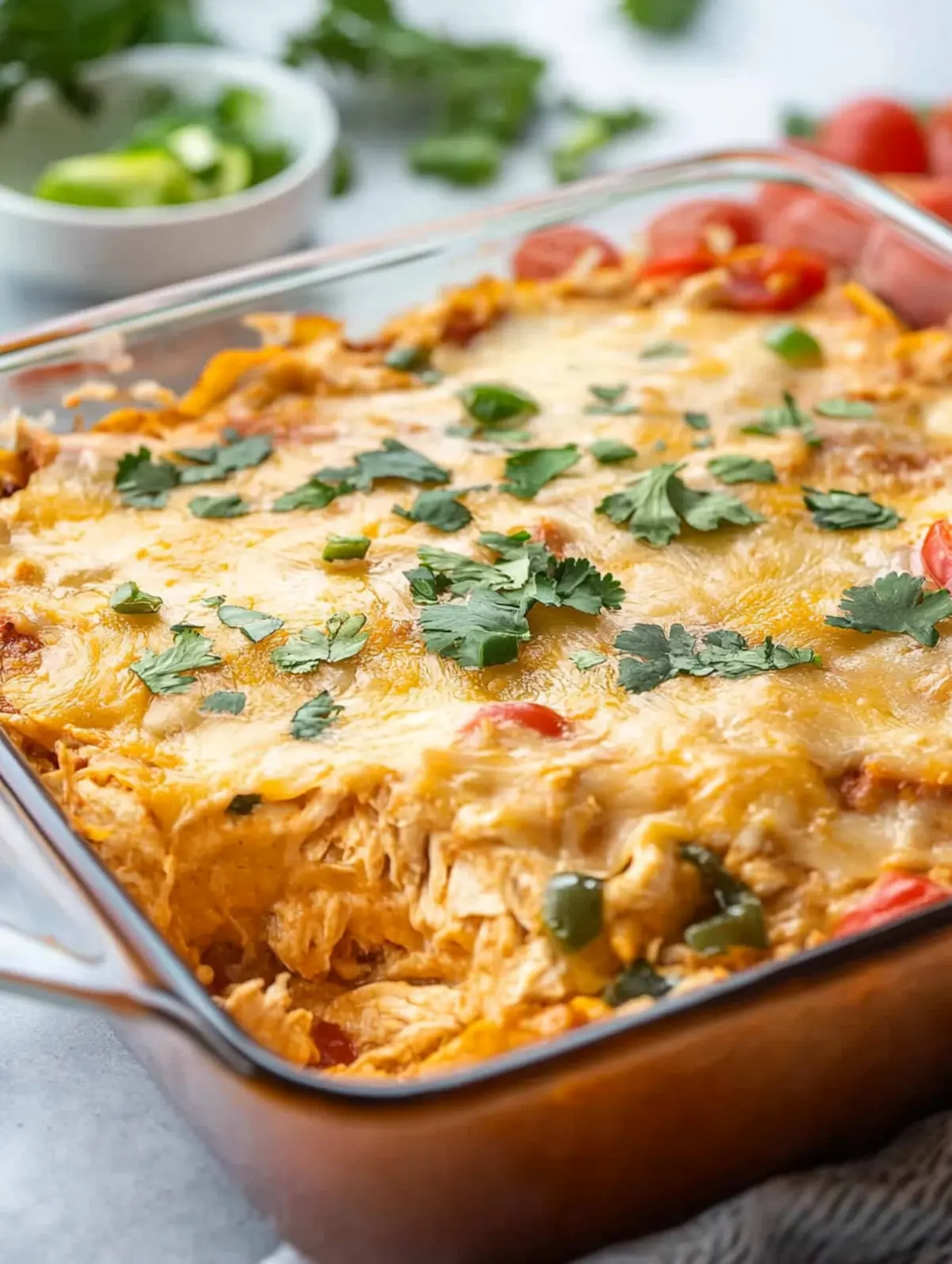
This golden, cloud-like No-Knead Spoon Bread bridges the gap between traditional cornbread and soufflé with its impossibly tender texture. The magic happens as yeast creates delicate air pockets throughout the batter, resulting in a dish that’s simultaneously airy and substantial. Each warm, slightly sweet spoonful melts in your mouth, making this Southern classic both comforting and elegant. Serve it straight from the oven with a pat of melting butter and drizzle of honey for a truly transcendent bread experience.
Why You’ll Love This Recipe
This No-Knead Spoon Bread brings Southern comfort to your table with minimal effort and maximum flavor payoff. Here’s why it’s worth adding to your regular rotation:
- Impossibly Fluffy Texture: The combination of yeast and baking creates an airy, soufflé-like consistency that’s both substantial and delicate at the same time.
- No Complicated Techniques: Unlike many bread recipes, there’s no kneading, proofing, or special equipment required—just mix, rise, and bake for foolproof results.
- Perfect Flavor Balance: The subtle sweetness and rich dairy notes create a versatile canvas that complements everything from savory stews to sweet breakfast spreads.
- Make-Ahead Friendly: The batter can rest overnight in the refrigerator, making this ideal for busy mornings or when entertaining guests without last-minute fuss.
- Crowd-Pleasing Appeal: Even those who typically pass on bread find themselves reaching for seconds of this unique, custardy creation that bridges cornbread and soufflé.
Ingredient Breakdown with Tips
Behind every perfect spoon bread is the careful selection of ingredients that work together to create that signature pillowy texture and golden crust. Each component in this No-Knead Spoon Bread plays a crucial role in developing its distinctive character and Southern charm.
- Milk (1½ cups): The backbone of spoon bread’s creamy texture. Warming the milk to about 110°F activates the yeast properly while keeping proteins in the milk from curdling when eggs are added.
- Eggs (2 whole): These provide structure and richness to the bread’s interior. Room temperature eggs incorporate more easily and help create a more uniform rise during baking.
- Sugar (3 tablespoons): Beyond adding subtle sweetness, sugar feeds the yeast and promotes beautiful browning. For a less sweet version, reduce to 2 tablespoons without affecting the bread’s structure.
- Active dry yeast (1 tablespoon): The magic ingredient that creates those delightful air pockets and signature light texture. Always check the expiration date, as fresh yeast produces significantly better rise and flavor.
- Vegetable oil (3 tablespoons): Adds moisture and tenderness to the crumb without weighing it down. Melted butter can be substituted for a richer flavor profile, though the texture may be slightly less airy.
- All-purpose flour (500g): Provides the basic structure while still allowing for a tender result. Using weight measurements rather than volume ensures consistent results every time you make this Southern classic.
- Salt (1 teaspoon): Enhances all the flavors while controlling yeast activity. Diamond Crystal kosher salt is preferred by professionals, but table salt works well—just reduce to ¾ teaspoon due to its higher density.
Let’s Cook It
- Warm the milk to about 110°F (slightly warm to the touch) in a saucepan or microwave. Pour it into a large mixing bowl and add the sugar, stirring until dissolved.
- Sprinkle the yeast over the warm milk mixture and let it sit for 5-7 minutes until foamy. This tells you your yeast is active and ready to work its magic.
- Whisk the eggs and vegetable oil into the milk mixture until well combined. I find that whisking vigorously at this stage creates a smoother batter in the end.
- Add the flour and salt to the wet ingredients, stirring with a wooden spoon until just combined. The batter should be smooth but thick—somewhere between pancake batter and drop biscuit dough.
- Pour the batter into a well-greased 9×13 inch baking dish or 10-inch cast iron skillet. Cover loosely with plastic wrap or a clean kitchen towel and let it rise in a warm place for about 45 minutes, until visibly puffy and bubbly.
- Preheat your oven to 375°F while the batter is in its final rising stage. When the oven reaches temperature, remove the covering from your batter.
- Bake for 25-30 minutes until the top is deeply golden brown and a toothpick inserted in the center comes out mostly clean with a few moist crumbs. The center should have just a slight jiggle when you gently shake the pan.
- Let the spoon bread cool for 5-10 minutes before serving. This resting period allows the texture to set perfectly—though I’ll admit I rarely wait the full time when that warm, yeasty aroma fills my kitchen!
Serving Suggestions
This No-Knead Spoon Bread is wonderfully versatile—its pillowy texture and subtle sweetness make it a perfect companion to countless meals. The way you serve it can transform it from a simple side to the star of your table.
For breakfast or brunch, I love scooping warm spoon bread into shallow bowls, creating a little well in the center to hold a pat of melting butter and a generous drizzle of maple syrup or honey. The contrast between the warm, yeasty bread and the sweet topping is absolutely heavenly with a cup of strong coffee.
For a savory dinner pairing, serve No-Knead Spoon Bread alongside hearty stews, braised meats, or Southern classics like fried chicken or barbecue. The bread’s light texture makes it perfect for sopping up flavorful sauces and gravies. Try adding a sprinkle of fresh herbs like chives or thyme over the top just before serving to complement your main dish.
Family-style presentation works beautifully—bring the whole baking dish to the table and let everyone spoon out their own portion while it’s still warm. This preserves that magical texture contrast between the golden crust and the tender interior that makes spoon bread so special.
Storage & Freezing
This No-Knead Spoon Bread keeps beautifully for several days, though its texture is truly at its peak when fresh from the oven. Store any leftovers in an airtight container in the refrigerator for up to 3-4 days. The bread will firm up slightly when chilled, which is perfectly normal for this yeast-based creation.
For longer storage, you can freeze portions of your spoon bread for up to 2 months. Allow it to cool completely first, then wrap individual pieces tightly in plastic wrap followed by aluminum foil or place in freezer-safe containers. I’ve found that pre-cutting into portions before freezing makes it much easier to thaw just what you need later.
To reheat refrigerated spoon bread, the oven method works best for restoring that delightful contrast between the crusty exterior and soft interior. Warm it in a 300°F oven for about 10-15 minutes or until heated through. For frozen pieces, thaw overnight in the refrigerator first, then reheat using the same method. While microwave reheating works in a pinch (30-second intervals, covered with a damp paper towel), be aware it won’t restore the crust’s texture quite like the oven method does.
Tips for the Best Southern Magic: The Easiest No-Knead Spoon Bread
Here’s how to elevate your spoon bread from good to absolutely unforgettable:
- Mind the milk temperature: Keep your milk around 110°F—too hot (over 115°F) will kill the yeast, while too cool won’t activate it properly, affecting your bread’s rise and texture.
- Room temperature eggs matter: Cold eggs straight from the refrigerator can shock the warm milk mixture and inhibit yeast development. I always set mine out 30 minutes before starting.
- Don’t overmix the batter: Stir just until the flour is incorporated—overmixing develops gluten, which fights against the light, tender texture that makes No-Knead Spoon Bread special.
- The jiggle test works best: When checking doneness, look for a slight wobble in the center—this ensures your spoon bread maintains that perfect custardy interior beneath its golden crust.
- Create a warm rising spot: If your kitchen is cool, turn your oven on briefly, then off, and place the covered batter inside. This draft-free, slightly warm environment promotes optimal yeast activity.
How to Make No-Knead Spoon Bread Ahead of Time
This No-Knead Spoon Bread is a meal prep champion that saves precious time on busy mornings! You can prepare the batter completely up to 24 hours in advance—simply mix all ingredients as directed, cover tightly with plastic wrap, and refrigerate overnight (the cold actually enhances flavor development). When ready to bake, remove the covered dish from the refrigerator and let it come to room temperature for about 30 minutes while your oven preheats. The batter will be slightly less bubbly than fresh, but it rises beautifully during baking and delivers the same golden, fluffy results. This make-ahead approach is perfect for holiday brunches or when entertaining guests without morning kitchen stress.
Variations & Substitutions
Southern spoon bread is wonderfully adaptable to what you have on hand or your dietary preferences. Here’s how to make this classic recipe your own:
- Cornmeal magic: Replace 1/3 of the flour with fine yellow cornmeal for a more traditional Southern spoon bread with delightful texture and authentic corn flavor.
- Make it gluten-free: Substitute the all-purpose flour with your favorite cup-for-cup gluten-free flour blend. I’ve had great results with King Arthur Measure for Measure GF flour in this recipe, with no other adjustments needed.
- Dairy alternatives: Use unsweetened almond, oat, or soy milk in place of regular milk. The bread will be slightly less rich but still wonderfully tender and flavorful.
- Add mix-ins: Fold in 1 cup of shredded cheese, 1/4 cup chopped fresh herbs, or 1/2 cup crispy bacon bits just before pouring into the baking dish for a savory variation that pairs beautifully with soups and stews.
- Sweeten it up: For a breakfast-friendly version, increase the sugar to 1/4 cup and add 1 teaspoon of cinnamon and 1/2 teaspoon of vanilla extract to the batter. Top with a light dusting of cinnamon sugar before baking.
- No yeast? No problem: If you’re out of yeast, substitute with 1 tablespoon of baking powder plus 1/2 teaspoon of baking soda. You’ll lose some of the distinctive yeasty flavor, but the texture will still be wonderfully light. Skip the rising time and bake immediately after mixing.
Recipe FAQs
Can I substitute whole wheat flour?
Use half whole wheat for heartier texture.
What if my yeast doesn’t foam?
It’s likely old—use fresh yeast instead.
Can I make this without sugar?
Reduce to 1 tablespoon, not completely.
Is cast iron better than glass dish?
I prefer cast iron for crispier edges.
Can this be made ahead?
Yes, refrigerate batter overnight before baking.
How do I know when it’s perfectly done?
Golden top with slight jiggle in center.
Southern Magic: The Easiest No-Knead Spoon Bread

This golden, cloud-like No-Knead Spoon Bread bridges the gap between traditional cornbread and soufflé with its impossibly tender texture.
- Prep Time: 15 minutes
- Cook Time: 30 minutes
- Total Time: 1 hour
- Yield: 8 servings
- Category: Bread
- Method: Baking
- Cuisine: Southern
- Diet: Vegetarian
Ingredients
- 1 ½ cups milk
- 2 whole eggs
- 3 tablespoons sugar
- 1 tablespoon active dry yeast
- 3 tablespoons vegetable oil
- 500 g all-purpose flour
- 1 teaspoon salt
Instructions
- Warm the milk to about 110°F (slightly warm to the touch) in a saucepan or microwave. Pour it into a large mixing bowl and add the sugar, stirring until dissolved.
- Sprinkle the yeast over the warm milk mixture and let it sit for 5-7 minutes until foamy. This tells you your yeast is active and ready to work its magic.
- Whisk the eggs and vegetable oil into the milk mixture until well combined. I find that whisking vigorously at this stage creates a smoother batter in the end.
- Add the flour and salt to the wet ingredients, stirring with a wooden spoon until just combined. The batter should be smooth but thick—somewhere between pancake batter and drop biscuit dough.
- Pour the batter into a well-greased 9×13 inch baking dish or 10-inch cast iron skillet. Cover loosely with plastic wrap or a clean kitchen towel and let it rise in a warm place for about 45 minutes, until visibly puffy and bubbly.
- Preheat your oven to 375°F while the batter is in its final rising stage. When the oven reaches temperature, remove the covering from your batter.
- Bake for 25-30 minutes until the top is deeply golden brown and a toothpick inserted in the center comes out mostly clean with a few moist crumbs. The center should have just a slight jiggle when you gently shake the pan.
- Let the spoon bread cool for 5-10 minutes before serving. This resting period allows the texture to set perfectly—though I’ll admit I rarely wait the full time when that warm, yeasty aroma fills my kitchen!
Notes
- Mind the milk temperature: Keep your milk around 110°F—too hot (over 115°F) will kill the yeast, while too cool won’t activate it properly, affecting your bread’s rise and texture.
- Room temperature eggs matter: Cold eggs straight from the refrigerator can shock the warm milk mixture and inhibit yeast development. I always set mine out 30 minutes before starting.
- Don’t overmix the batter: Stir just until the flour is incorporated—overmixing develops gluten, which fights against the light, tender texture that makes No-Knead Spoon Bread special.
- The jiggle test works best: When checking doneness, look for a slight wobble in the center—this ensures your spoon bread maintains that perfect custardy interior beneath its golden crust.
- Create a warm rising spot: If your kitchen is cool, turn your oven on briefly, then off, and place the covered batter inside. This draft-free, slightly warm environment promotes optimal yeast activity.