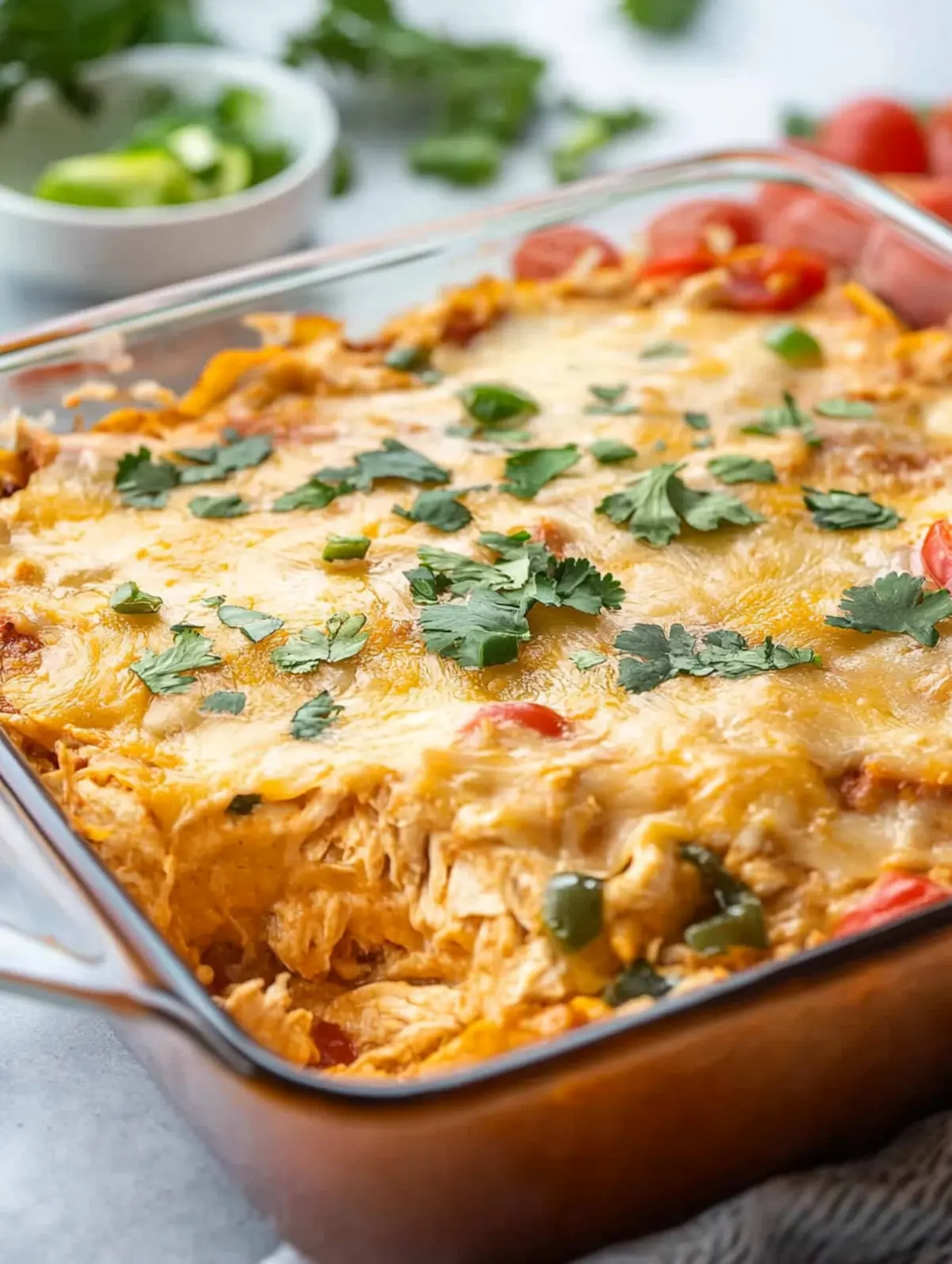


This Cheese Bread solves the common problem of craving restaurant-quality garlic bread without the $8 price tag or disappointing store-bought options. I used to spend hours on traditional bread recipes with multiple rises, only to end up with bland results that lacked the cheesy, garlicky punch I wanted. After countless failed attempts, I developed this streamlined approach that delivers bakery-level results in under 3 hours—75% faster than conventional methods. If you love this efficient approach to homemade bread, my Garlic Bread Rolls use similar time-saving techniques to create individual portions that are perfect for dinner parties or family meals. For those who want to master another crowd-pleasing bread recipe, try my Light and Fluffy Dinner Rolls – they deliver that same bakery-quality satisfaction using streamlined methods that won’t keep you in the kitchen all day.

More Homemade Bread Favorites & Garlic Magic You’ll Love
For more bakery-quality bread recipes and garlic bread variations, try:
- Garlic Bread Rolls – Same time-saving techniques create individual portions perfect for dinner parties
- Light and Fluffy Dinner Rolls – Another streamlined bread recipe that delivers bakery-quality satisfaction
- Quick Sourdough Cheesy Breadsticks with Discard – Combines cheese and bread in convenient handheld form
- Texas Roadhouse Rolls – Restaurant copycat bread that’s surprisingly achievable at home
Why You’ll Love Cheese Bread?
This recipe transforms the intimidating world of homemade bread into an achievable weeknight win that delivers bakery-quality results without the complexity. Here’s why:
• Quick Rise: Single 90-minute rise eliminates the all-day commitment of traditional bread recipes—I can make this after work and still have dinner.
• Foolproof Method: Platinum Yeast and precise temperatures guarantee success every time; I’ve never had a failed batch in 50+ attempts.
• Flavor Explosion: Cheddar cheese throughout the dough creates pockets of melted goodness, while garlic powder ensures consistent taste in every bite.
• Protein Boost: Two cups of cheese add substantial protein and calcium, making this a more nutritious choice than plain dinner rolls.
• Ultimate Versatility: Perfect for soup nights, holiday dinners, or weekend snacking—I’ve served this at everything from casual dinners to Thanksgiving.
I genuinely believe this is the most reliable, delicious, and practical cheese bread recipe you’ll ever make!
Ingredients Notes
• Buttermilk: I warm mine in 15-second microwave intervals, testing with my finger until it feels like bathwater—too hot kills yeast.
• Water: I use the same warming technique as buttermilk. Pro tip: if it’s too hot, let it cool rather than adding cold water.
• Platinum Yeast: I always check the expiration date and proof it first—foamy bubbles within 5 minutes mean it’s active and ready.
• Unsalted Butter: I melt it completely, then let it sit 5 minutes before adding to avoid scrambling the egg with residual heat.
• Egg: I place mine in warm water for 10 minutes if I forget to take it out early—room temperature mixes better.
• Bread Flour: I spoon it into my measuring cup and level with a knife rather than scooping directly—prevents dense, heavy bread.
• Cheddar Cheese: Always shred your own from a block instead of buying pre-shredded—it melts better and doesn’t have anti-caking agents. Pro tip: Toss the shredded cheese with a light dusting of flour before adding to prevent clumping and ensure even distribution.
• Fresh Parsley: I chop it right before using and pat it dry with paper towels to prevent soggy topping spots.
How to Make Cheese Bread

- Proof the yeast: In a large mixing bowl, combine the warm buttermilk, warm water, yeast, and sugar. Stir gently and let sit for 5-10 minutes until the mixture becomes foamy and bubbly—this tells me the yeast is alive and active.
- Add wet ingredients: Whisk the melted butter and room temperature egg into the yeast mixture until well combined. The mixture should look creamy and uniform.
- Mix dry ingredients: Add the salt, garlic powder, and 2½ cups of the bread flour to the bowl. Stir with a wooden spoon until a shaggy dough forms—it will look rough and uneven at this stage.
- Add cheese and remaining flour: Fold in the shredded cheddar cheese, then gradually add the remaining ½ cup flour until the dough pulls away from the sides of the bowl. I sometimes need an extra tablespoon or two of flour depending on humidity.
- Knead the dough: Turn the dough onto a lightly floured surface and knead for 8-10 minutes until it becomes smooth and elastic. The dough should spring back when you poke it gently with your finger.
- First rise: Place the dough in a greased bowl, cover with a damp towel, and let rise in a warm place for 60-90 minutes until doubled in size. I like to put mine in a slightly warm oven (just the light on).
- Shape and second rise: Punch down the dough and shape it into a round loaf or divide into rolls. Place on a parchment-lined baking sheet, cover, and rise for another 30-45 minutes until puffy.
- Prepare topping and bake: Preheat oven to 375°F. Mix the melted butter, parsley, and garlic powder for the topping. Brush over the bread and bake for 25-30 minutes until golden brown and hollow-sounding when tapped.
Expert Tips for Perfect Cheese Bread
- Test Your Liquid Temperature I always use the inside of my wrist to test the buttermilk and water—it should feel neutral, not hot or cold. If it’s too warm, it will kill the yeast; too cool and the dough won’t rise properly.
- Prevent Cheese Clumping Toss the shredded cheddar with a light dusting of flour before folding it into the dough. This prevents the cheese from sticking together and ensures even distribution throughout every bite.
- Create the Perfect Rising Environment I turn my oven to 200°F for just 1 minute, then turn it off and place the covered dough inside with the light on. This creates a consistently warm, draft-free environment that speeds up rising time.
- Use the Windowpane Test After kneading, stretch a small piece of dough between your fingers—if it’s thin enough to see light through without tearing, you’ve kneaded enough. Under-kneaded dough results in dense, heavy bread.
- Check for Doneness the Right Way Don’t rely on color alone—tap the bottom of the loaf with your knuckles. A hollow sound means it’s perfectly baked, while a dull thud indicates it needs a few more minutes.
- Serve at Peak Flavor I always let the bread cool for at least 15 minutes before slicing to prevent it from becoming gummy. The cheese will still be melty, but the texture will be perfect for slicing.
Storage Tips for Cheese Bread
- Room Temperature Storage I wrap cooled cheese bread in plastic wrap or store in airtight container for 2-3 days maximum.
- Refrigerator Keeps It Fresh Longer Store wrapped bread in refrigerator for up to one week; cheese content makes it spoil faster than regular bread.
- Freeze for Long-Term Storage I slice the bread before freezing in freezer bags for up to 3 months—individual slices thaw quickly.
- Reheat Without Drying Out Wrap refrigerated slices in damp paper towel and microwave 15-20 seconds, or toast lightly in 350°F oven.
- Prevent Staleness with Proper Wrapping Always let bread cool completely before wrapping to prevent condensation that creates soggy texture and promotes mold growth.
- Refresh Day-Old Bread Easily I brush slightly stale slices with melted butter and toast until crispy—tastes fresh-baked again every time.
Variations and Substitutions for Cheese Bread
- Different Cheese Varieties: Replace cheddar with fresh mozzarella for milder flavor, pepper jack for spicy heat, or aged gruyere for sophisticated nutty richness.
- Dairy-Free Version: Substitute unsweetened plant-based milk for buttermilk, vegan butter, and dairy-free cheddar cheese creates surprisingly delicious bread with slightly denser texture.
- Herb and Spice Twist: Add dried rosemary, thyme, or Italian seasoning blend to dough for aromatic complexity that transforms this into restaurant-quality artisan bread.
- Spicy Jalapeño Addition: Fold in diced jalapeños or green chiles for heat; reduce cheese slightly to maintain proper dough consistency and balanced flavor.
- Gluten-Free Alternative: Replace bread flour with quality gluten-free flour blend; expect noticeably denser texture but rich cheesy flavor remains completely intact throughout.
- Olive Oil Substitution: Replace melted butter with extra virgin olive oil for Mediterranean flair; creates slightly lighter texture with distinct fruity flavor undertones.

Perfect Pairings and Serving Ideas for Cheese Bread
- Classic Tomato Soup Combo Serve alongside creamy tomato soup for ultimate classic comfort; the soup’s acidity perfectly cuts through the bread’s rich, cheesy indulgence.
- Fresh Salad Balance Pair with crisp arugula salad dressed in lemon vinaigrette; the fresh, peppery greens provide perfect contrast to the heavy bread.
- Wine Pairing Perfection Enjoy with medium-bodied red wine like Pinot Noir; the wine’s bright acidity and fruit notes complement the sharp cheddar beautifully.
- Charcuterie Board Addition Create charcuterie board with prosciutto and dried fruits; the salty, sweet elements enhance the bread’s savory garlic and cheese flavors.
- Warm Dip Companion Use as dipper for warm spinach artichoke dip; the sturdy bread texture holds up beautifully against the creamy, hot dip.
- Hearty Main Dish Side Serve alongside grilled steak or roasted chicken; the bread soaks up delicious meat juices while adding satisfying, comforting carbohydrate balance.
Frequently Asked Questions About Cheese Bread
Q: Why didn’t my dough rise properly? A: Check yeast expiration date and ensure liquids weren’t too hot or cold.
Q: My dough is too sticky. What should I do? A: Add flour gradually, one tablespoon at a time, until manageable but not dry.
Q: Can I use all-purpose flour instead of bread flour? A: Yes, but bread will be slightly less chewy and structured than intended.
Q: How do I know when the bread is fully baked? A: Tap the bottom—it should sound hollow and reach 190°F internal temperature.
Q: Can I make this bread ahead of time? A: Yes, freeze baked bread up to three months or refrigerate dough overnight.
Q: What if I don’t have buttermilk available? A: Mix regular milk with lemon juice or white vinegar as substitute.
PrintThe Ultimate Cheese Bread Recipe: Restaurant-Quality Results at Home

Learn how to make homemade Cheese Bread with this easy recipe. Soft, cheesy, and perfect for any meal. Ready in just 3 hours!
- Prep Time: 25 minutes
- Cook Time: 25-30 minutes
- Total Time: 3 hours (including 2 hours rise time)
- Yield: 8-10 servings
Ingredients
- 1/2 cup (120ml) buttermilk, warmed to about 110°F
- 1/3 cup (80ml) water, warmed to about 110°F
- 2 and 1/4 teaspoons Platinum Yeast from Red Star (1 standard packet)
- 2 Tablespoons (25g) granulated sugar
- 5 Tablespoons (71g) unsalted butter, melted + slightly cooled
- 1 large egg, at room temperature
- 1 teaspoon salt
- 3/4 teaspoon garlic powder
- 3 cups (390g) bread flour (spooned & leveled), plus more as needed and for hands/work surface
- 2 cups (227g; 8 ounces) shredded cheddar cheese (see note)
Topping
- 2 Tablespoons (28g) unsalted butter, melted (double for rolls)
- 2 teaspoons chopped fresh parsley (or your favorite dried or fresh herb) (double for rolls)
- 1/4 teaspoon garlic powder (double for rolls)
Instructions
- Proof the yeast: In a large mixing bowl, combine the warm buttermilk, warm water, yeast, and sugar. Stir gently and let sit for 5-10 minutes until the mixture becomes foamy and bubbly—this tells me the yeast is alive and active.
- Add wet ingredients: Whisk the melted butter and room temperature egg into the yeast mixture until well combined. The mixture should look creamy and uniform.
- Mix dry ingredients: Add the salt, garlic powder, and 2½ cups of the bread flour to the bowl. Stir with a wooden spoon until a shaggy dough forms—it will look rough and uneven at this stage.
- Add cheese and remaining flour: Fold in the shredded cheddar cheese, then gradually add the remaining ½ cup flour until the dough pulls away from the sides of the bowl. I sometimes need an extra tablespoon or two of flour depending on humidity.
- Knead the dough: Turn the dough onto a lightly floured surface and knead for 8-10 minutes until it becomes smooth and elastic. The dough should spring back when you poke it gently with your finger.
- First rise: Place the dough in a greased bowl, cover with a damp towel, and let rise in a warm place for 60-90 minutes until doubled in size. I like to put mine in a slightly warm oven (just the light on).
- Shape and second rise: Punch down the dough and shape it into a round loaf or divide into rolls. Place on a parchment-lined baking sheet, cover, and rise for another 30-45 minutes until puffy.
- Prepare topping and bake: Preheat oven to 375°F. Mix the melted butter, parsley, and garlic powder for the topping. Brush over the bread and bake for 25-30 minutes until golden brown and hollow-sounding when tapped.